


Blog
How to Avoid Injuries in Sport

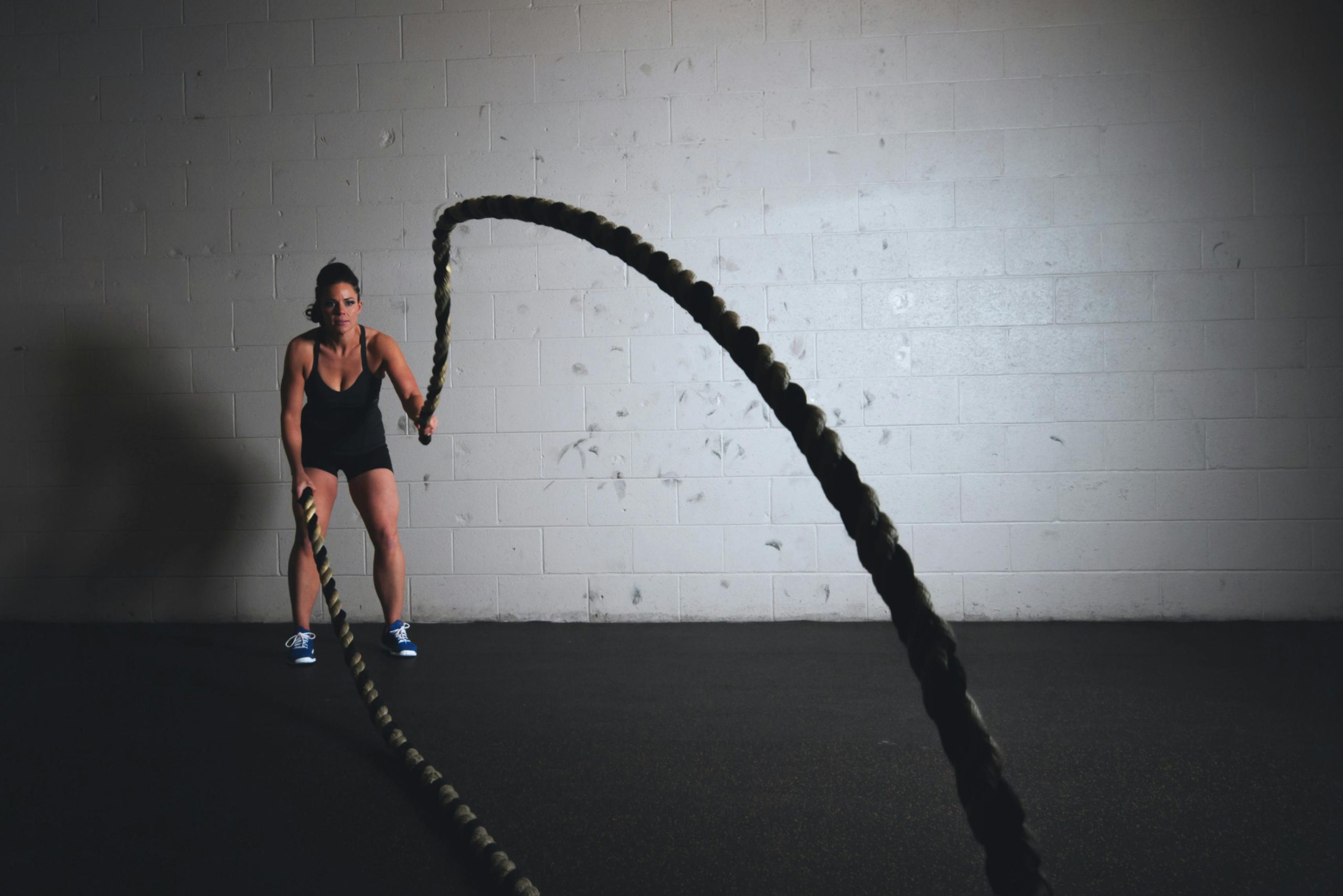
Whether you’re a weekend GAA player, a competitive swimmer, or someone who enjoys a morning jog along the Naas canal, staying injury-free is the key to enjoying sport for life. Our GPs at Pulses TSM Medical Clinic see a wide range of sports-related injuries — and most of them are preventable. Here are five essential reads to keep you active and healthy.
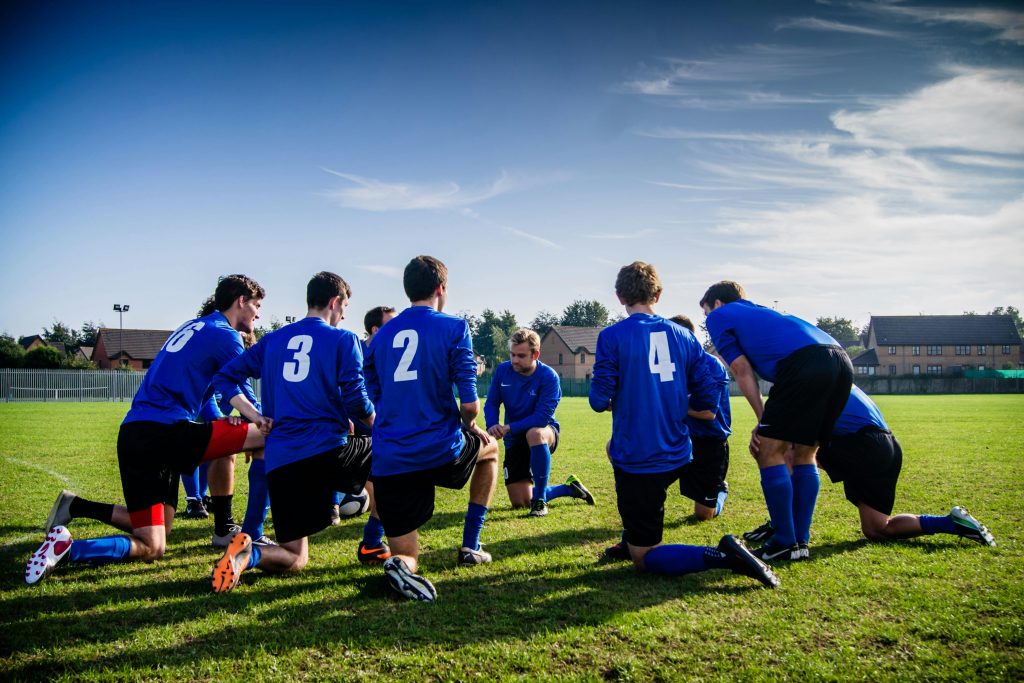
1. Warm Up Like a Pro: Why the First 10 Minutes Matter Most
Skipping your warm-up is one of the biggest mistakes recreational athletes make — and it’s a leading cause of preventable injury.
A proper warm-up gradually raises your heart rate, increases blood flow to the muscles, and improves joint flexibility. In Ireland’s unpredictable climate, cold muscles are at particular risk of strains and tears. A dynamic warm-up — including leg swings, arm circles, lunges, and light jogging — activates your neuromuscular system, priming your body for the demands ahead. Research shows that a 10–15 minute warm-up can reduce the risk of soft tissue injuries by up to 50%. At Pulses TSM, our sports-aware GPs recommend a sport-specific warm-up tailored to your activity, whether it’s a hurling match, a Parkrun, or a HIIT class.
💡 At Pulses TSM Medical Clinic in Naas, our GPs can help you develop a warm-up routine suited to your sport. Book a same-day appointment at www.pulsestsmmedical.ie
2. The Right Gear, The Right Fit: How Footwear and Equipment Prevent Injury
Your running shoes, shin guards, or cycling helmet are not just accessories — they’re injury prevention tools.
Wearing ill-fitting footwear is a major contributor to injuries like shin splints, plantar fasciitis, and ankle sprains — conditions we commonly see in our Kildare clinic. For runners, a gait analysis can determine whether you overpronate or supinate, guiding you towards the correct shoe type. For team sports like GAA, rugby, or soccer, proper studs for the pitch surface matter enormously. Always replace athletic footwear every 500–800 km of use, as cushioning degrades before the outer sole shows obvious wear. Protective gear — helmets, knee pads, mouthguards — should be correctly fitted and regularly inspected. The investment in proper equipment is always cheaper than the cost of treating an injury.
💡 Not sure if your current aches are gear-related? Our GPs at Pulses TSM can assess musculoskeletal issues quickly. Visit us in Naas or book online.
3. Listen to Your Body: Recognising the Difference Between Muscle Soreness and Injury
Pushing through pain is sometimes admirable — but knowing when pain is a warning sign can prevent serious long-term damage.
Delayed onset muscle soreness (DOMS) — that familiar ache 24–48 hours after a tough session — is normal and a sign of adaptation. However, sharp, stabbing, or persistent pain
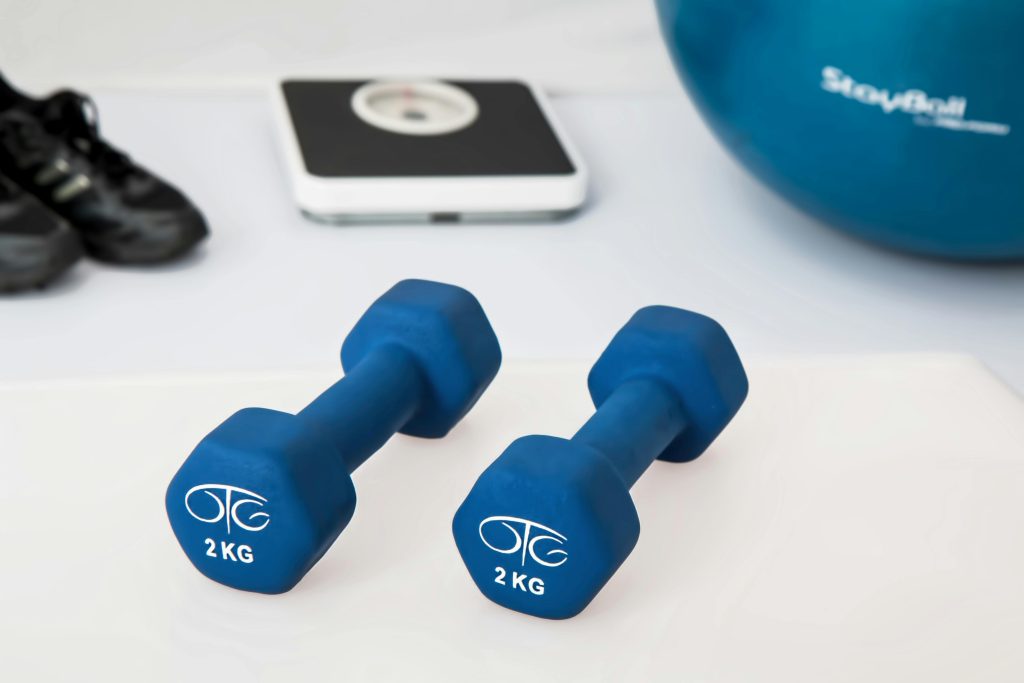
during exercise is your body signalling something more serious. Common red flags include pain that is localised to one spot (suggesting a stress fracture or tendon injury), sudden onset pain after a specific movement, swelling, bruising, or joint instability. In Ireland, many people adopt a ‘walk it off’ attitude, which can turn a minor injury into a chronic problem. If pain persists beyond 72 hours or significantly affects your movement, it’s time to seek professional assessment.
4. Recovery Is Training: The Science of Rest, Sleep, and Active Recovery
Elite athletes know that the gains happen not during training, but during recovery. The same principle applies to every level of sport.
In Ireland’s active communities — from GAA clubs to parkrun groups — the culture often glorifies training volume and undervalues rest. Overtraining syndrome leads to fatigue, performance decline, mood changes, and increased injury susceptibility. Sleep is the most powerful recovery tool available: during deep sleep, growth hormone is released, repairing micro-tears in muscle tissue. Adults need 7–9 hours per night for optimal athletic recovery. Active recovery — light walking, swimming, or yoga — promotes blood flow without additional stress. Nutrition also plays a critical role: consuming adequate protein (1.2–2g per kg of body weight) and carbohydrates post-exercise replenishes glycogen stores and supports muscle repair. At Pulses TSM, we take a holistic view of athletic health, addressing sleep, nutrition, and recovery as core components of injury prevention.

5. Training Smart: How Periodisation and Gradual Progression Protect Athletes
One of the most common causes of sports injury is simply doing too much, too soon — a problem our clinic sees repeatedly.
The principle of progressive overload — gradually increasing training intensity, volume, or frequency — is fundamental to safe athletic development. Sudden increases in mileage (the so-called ‘10% rule’ advises never increasing weekly training load by more than 10% at a time) are a primary driver of overuse injuries like runner’s knee, IT band syndrome, and stress fractures. Periodisation — structuring your training into phases of building, peaking, and recovery — is used by professional athletes and is equally applicable to recreational sport. Cross-training, incorporating different activities, reduces repetitive stress on specific muscle groups and joints. Many Irish club athletes train year-round without structured rest periods, increasing cumulative injury risk. Planning your season with built-in rest weeks is not a sign of weakness — it’s evidence-based injury prevention.
💡 At Pulses TSM Medical Clinic, our GPs understand the demands of Irish sport. We offer preventive assessments, minor injury treatment, and referral services. Visit www.pulsestsmmedical.ie