


Blog
How to Make Your Immune System Stronger

Ireland’s climate, lifestyle, and diet all influence immune function. At Pulses TSM Medical Clinic, we take a science-based, holistic approach to immune health — combining preventive medicine with personalised lifestyle advice. Here are five evidence-backed strategies to strengthen your immune system.
1. Vitamin D and the Irish Climate: Why Most of Us Are Deficient — and What to Do About It
Ireland’s geography means that between October and March, the sun is too low in the sky to trigger meaningful vitamin D synthesis in the skin. This has profound implications for immune health.
Vitamin D is not merely a bone health nutrient it plays a fundamental role in immune regulation, modulating both innate and adaptive immune responses. Studies have found that vitamin D deficiency is associated with increased susceptibility to respiratory infections, autoimmune conditions, and slower wound healing. In Ireland, the Health Service Executive (HSE) and the Irish Nutrition and Dietetics Institute both recommend vitamin D supplementation of at least 10 micrograms (400 IU) daily for all adults, particularly during winter months. People with darker skin tones, those who spend limited time outdoors, the elderly, and individuals who are overweight are at particular risk of deficiency. A simple blood test can confirm your vitamin D status, guiding appropriate supplementation dosing (which may be higher than the standard recommendation for deficient individuals).
💡 Ask your GP at Pulses TSM about vitamin D testing and personalised supplementation advice. Book a consultation at www.pulsestsmmedical.ie

2. The Gut-Immune Axis: Why Your Digestive Health Is Central to Your Immune Function
Approximately 70% of the immune system is located in the gut — making digestive health one of the most powerful levers for immune strength.
The gut microbiome — the trillions of bacteria, fungi, and other microorganisms that colonise the digestive tract — plays a critical role in immune education and regulation. A diverse microbiome, supported by a diet rich in plant foods, fermented products, and dietary fibre, promotes balanced immune responses and reduces the risk of chronic inflammation. Conversely, a diet high in ultra-processed foods, excess sugar, and alcohol disrupts microbial diversity — a state called dysbiosis — which is associated with increased infection susceptibility, allergies, and autoimmune conditions. In the Irish context, traditional fermented foods like buttermilk, sourdough bread, and natural yoghurt support microbiome diversity. Prebiotic-rich Irish staples — oats, leeks, onions, garlic, and Jerusalem artichokes — feed beneficial bacteria. Antibiotic use, while sometimes essential, also significantly disrupts the microbiome, so restoring gut health after antibiotic treatment with probiotics and dietary fibre is an important step.
💡 Concerned about gut health or recurrent infections? Our GPs at Pulses TSM can assess your digestive and immune health holistically. Visit us in Naas.
3. Sleep, Stress, and Immunity: The Hidden Pillars of Immune Resilience
Two of the most powerful modulators of immune function are entirely free — and almost universally undervalued: sleep and stress management.
During sleep, the immune system performs critical maintenance functions: T-cells (a type of white blood cell central to adaptive immunity) increase their ability to bind to infected cells; cytokines (immune signalling proteins) are released; and immune memory is consolidated. Studies have shown that individuals who sleep fewer than 6 hours per night are significantly more susceptible to the common cold and other infections than those sleeping 7 or more hours. Chronic psychological stress similarly suppresses immune function via the hormone cortisol, which — in sustained elevated levels — reduces the production and effectiveness of key immune cells. In Ireland, where stress from work, cost-of-living pressures, and commuting is prevalent, stress management is a genuine public health issue. Evidence-based approaches include mindfulness-based stress reduction (MBSR), regular physical activity, social connection, and, when needed, professional psychological support.
💡 At Pulses TSM, we address sleep, stress, and mental health as core components of your overall health. Book a holistic health review at www.pulsestsmmedical.ie
4. Vaccination: Ireland’s Most Effective Immune System Tool — and Why It’s Still Misunderstood
Vaccines work by training the immune system to recognise and respond rapidly to specific pathogens — and they represent one of the most successful public health interventions in human history.
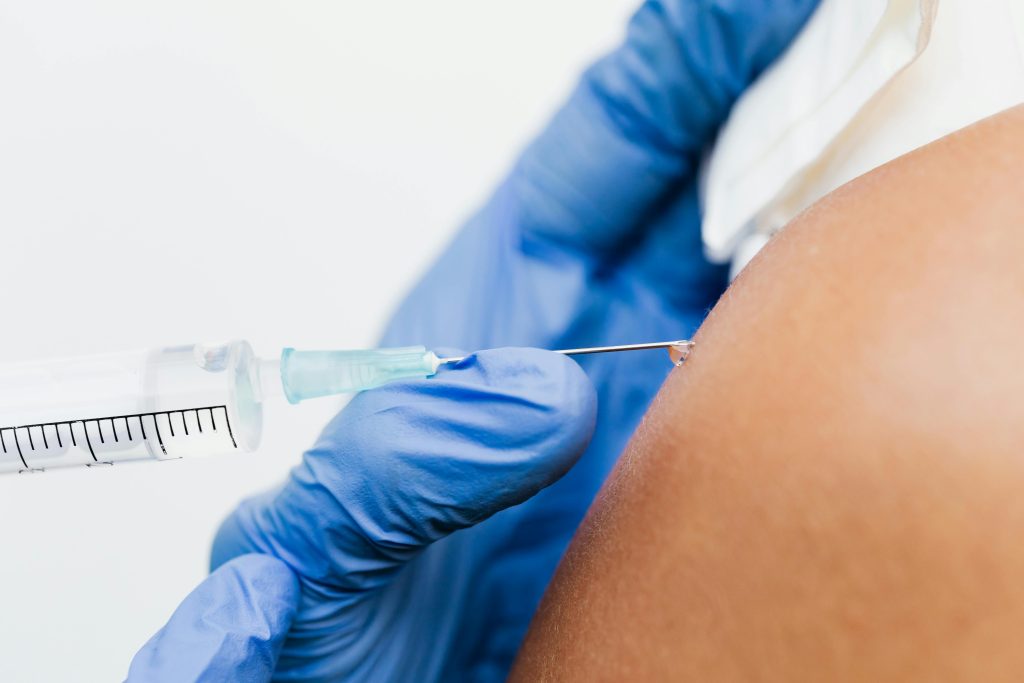
In Ireland, the National Immunisation Programme provides free vaccinations for children, adolescents, and targeted adult groups (including flu, pneumococcal, and shingles vaccines for older adults). The concept of ‘herd immunity’ — the protection conferred on vulnerable individuals when a high proportion of the population is immune — means that vaccination is both a personal and a community health responsibility. Despite their overwhelming safety and efficacy record, misconceptions about vaccines persist. It is worth stating clearly: vaccines do not cause autism (this claim originated from a fraudulent, retracted study), they do not overload the immune system, and the benefits of vaccination consistently and dramatically outweigh the risks of the diseases they prevent. Staying up to date with recommended vaccinations — including seasonal influenza, COVID-19 boosters, and travel vaccines — is one of the most evidence-based actions you can take for your immune health.
💡 Pulses TSM Medical Clinic offers a full vaccination service in Naas, Co. Kildare — including travel vaccinations and flu jabs. Book at www.pulsestsmmedical.ie
5. Nutrition for Immunity: The Irish Diet and Evidence-Based Immune-Boosting Foods
While no single food ‘boosts’ immunity in the simplistic sense often marketed, a nutritionally complete diet provides the micronutrients essential for optimal immune function.
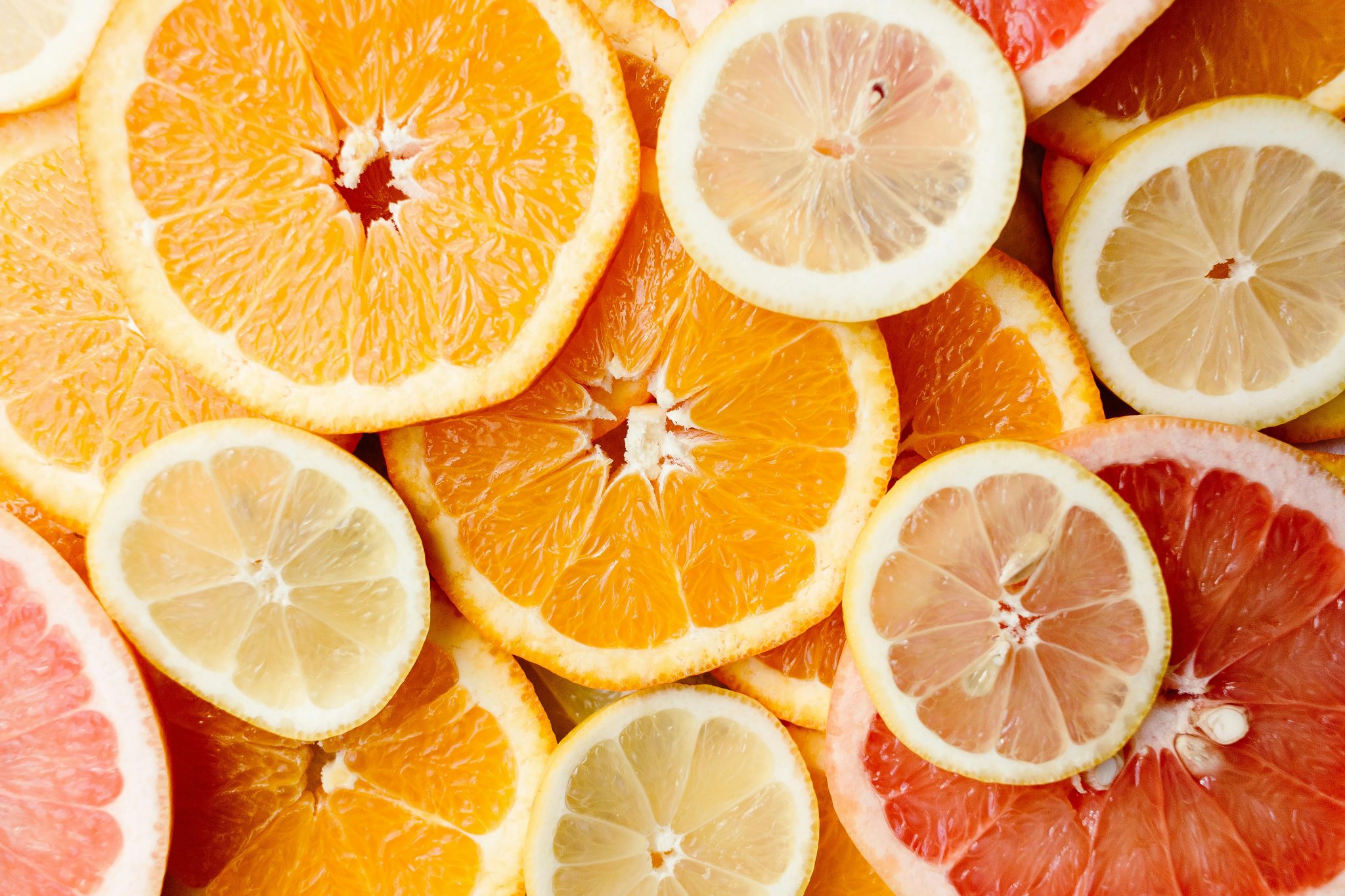
Key immune-supporting nutrients and their Irish dietary sources include: Zinc (found in red meat, shellfish — particularly Irish oysters — legumes, and seeds), which is essential for the development and function of immune cells; Vitamin C (found in bell peppers, broccoli, kale, and citrus fruits), which supports the function of phagocytes and lymphocytes; Iron (found in red meat, fortified cereals, lentils, and spinach — note that plant-based iron is better absorbed when consumed with vitamin C-rich foods), which is required for the proliferation of immune cells; Selenium (found in Brazil nuts, fish, meat, and eggs), which supports antioxidant defence mechanisms; and Folate (found in leafy greens, legumes, and fortified foods), which is required for DNA synthesis in rapidly dividing immune cells. A Mediterranean-influenced dietary pattern — emphasising vegetables, legumes, whole grains, fish, olive oil, and modest red wine consumption — has the strongest evidence base for immune health and long-term chronic disease prevention.
💡 For personalised nutritional advice and preventive health assessments, speak to the GPs at Pulses TSM Medical Clinic in Naas. Book online at www.pulsestsmmedical.ie
Share this post!